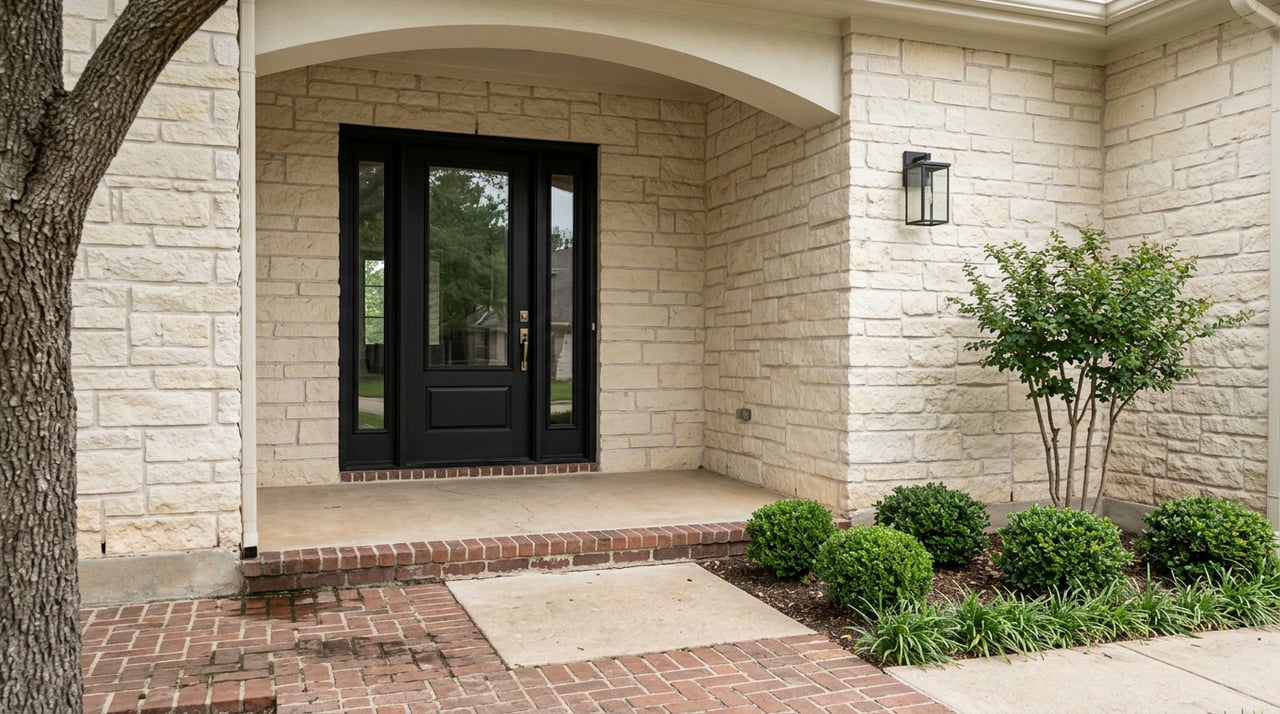
You love the feel of Denison’s tree-lined streets and you also like the idea of a crisp, low‑maintenance new home. Which path fits your budget, timeline, and lifestyle best? You are not alone. In a community of about 24,500 people with an active downtown and steady growth, buyers often face this exact choice. In this guide, you will learn how historic and new homes in Denison differ on price, upkeep, energy performance, rules, and day-to-day living. You will also get checklists to use during showings and inspections so you can shop with confidence. Let’s dive in.
Why this decision matters in Denison
Denison blends a preserved historic core with newer master-planned neighborhoods. That mix gives you real options across styles and price points. Population and amenities have grown, and the city’s historic fabric remains a point of pride. According to federal data, Denison’s population sits around 24,500, which supports an active downtown and ongoing housing demand. You can confirm the latest snapshot on the U.S. Census site for Denison QuickFacts.
On pricing, market snapshots through 2024–2025 show median list and sale prices commonly in the low to mid $200,000s, with move-up and new construction options listing higher. You can review a current Denison market report to gauge the latest price trends. Your exact comparison will vary by neighborhood and finish level, but this gives you a realistic starting point.
Historic homes: What you will find
Older Denison neighborhoods near downtown feature late‑Victorian, Craftsman, and early 20th‑century styles. You will see front porches, tall ceilings, plaster walls, and original millwork. The city recognizes historic resources, and the downtown Commercial Historic District has National Register status, with state markers documented through the Texas Historical Commission. If you value architectural character and mature streetscapes, this is where you will spend time.
Architecture and lot patterns
- Expect a mix of house sizes and irregular lot shapes common to early street grids.
- Many homes predate modern zoning, so lot widths can be narrower than standardized subdivision lots.
- Walkability to downtown amenities can be a plus if that fits your lifestyle.
For context on how lot requirements evolved, you can review Denison’s zoning code overview, which outlines minimum widths and depths in various single‑family districts.
Maintenance and systems
Historic homes often include legacy materials and systems. Plan for:
- Plaster repairs, wood window maintenance, and exterior woodwork care.
- Potential older plumbing lines and electrical components that merit expert evaluation.
- Crawlspace and pier‑and‑beam conditions that can shift over time.
Preservation guidance explains how to approach repairs while keeping character intact. The Secretary of the Interior’s standards describe practical, repair‑first methods for historic materials.
Energy performance and upgrades
Older homes can be comfortable and efficient when tuned, but most were not built to modern energy standards. Good first steps include attic insulation, targeted air sealing, and compatible storm windows or interior inserts. Preservation standards offer approaches that make upgrades effective without harming historic features.
Rules and approvals in historic areas
If a property sits in Denison’s Commercial Historic Overlay or another local historic overlay, exterior changes may need review and a Certificate of Appropriateness. Before planning exterior work, check the city’s planning and historic preservation resources so you understand timelines and what is eligible for approval.
What to watch during showings
Use this quick checklist to spot potential concerns early:
- Structure and finishes: uneven floors, doors that do not latch, cracked plaster, sagging rooflines, or porch columns that feel loose. These can signal settlement or deferred maintenance. Preservation standards can help you understand appropriate repair paths.
- Moisture and pests: look for water stains, basement or crawlspace dampness, and efflorescence on masonry. In North Texas, subterranean termites are a known risk. The Texas A&M AgriLife guide explains what to watch for and why a WDI/WDO inspection matters.
- Systems: open the panel to note very old fuse boxes, look for cloth‑insulated wiring, slow drains, or signs of past leaks. Plan for specialist evaluations as needed.
- Foundations and sewers: in older homes, a camera sewer scope is a cost‑effective add‑on that can reveal expensive issues before closing. InterNACHI outlines sewer-scope basics and why it is a smart add‑on.
New builds: What you will find
Denison’s recent growth includes modern subdivisions with predictable floor plans, standardized lot widths, parks, and trails. Homes in these communities often sit on roughly one‑fifth to one‑quarter acre lots, with consistent setbacks and garage access. If you want move‑in convenience and lower near‑term maintenance, this track can be a good fit.
Neighborhood patterns and lots
- Standardized 50 to 75 foot lot products are common in newer developments.
- Streets are designed for consistent sightlines and parking, with sidewalks in many areas.
- New commercial services often cluster near these communities, which can simplify errands.
The city’s zoning standards help explain why lot widths and depths in new plats feel more uniform than in older blocks.
Price, warranty, and first‑year costs
New construction and recent resales typically command a premium over the citywide median. You may see higher listing prices compared with older stock, reflected in current market reports for Denison. In exchange, you get modern systems, builder warranties, and code‑level safety and energy features that can keep first‑year maintenance low. Always verify warranty length and coverage for structural items, systems, and finishes.
Energy and comfort
Newer homes usually include higher‑efficiency HVAC, improved insulation, sealed attics, and modern window packages. Those features can reduce your monthly utility spend compared with an unrenovated historic home. Actual savings depend on square footage, usage, and equipment specs.
What to watch during showings
Even brand‑new homes benefit from careful review:
- Drainage and grading: confirm water flows away from the foundation and that no low spots collect runoff.
- Builder punch list: ask for documentation on completed items and final municipal inspections.
- HOA and CC&Rs: understand exterior rules for fences, sheds, and materials so you know what is allowed.
- Independent inspections: add specialty checks as needed. A separate WDI/WDO inspection is wise in North Texas. For older resale in a newer area, consider a sewer scope as advised by InterNACHI.
Side‑by‑side: Which path fits you
Use this quick framework to align the choice with your goals:
Choose historic if you want:
- Architectural character, established trees, and unique details you cannot buy new.
- Walkability to downtown and a one‑of‑a‑kind streetscape.
- Willingness to budget for restoration, specialized trades, and possible permitting for exterior work.
- Flexibility on layout quirks that come with older floor plans.
Choose new build if you want:
- Move‑in convenience and predictable first‑year costs.
- Modern layouts with open kitchens, larger primary suites, and attached garages.
- Energy efficiency from day one and a builder warranty.
- Standardized lots and amenities like parks and trails.
Negotiation insights:
- On older homes, inspection findings are common bargaining points. Structural opinions, a sewer scope, and a WDI report can support repair credits or price adjustments.
- On new builds, the punch list and warranty terms are key negotiation levers. Clarify what will be delivered at closing and what is covered after move‑in.
Denison rules, overlays, and incentives
- Local review: Denison’s Planning & Zoning Department and Historic Preservation Board oversee zoning and historic overlay rules. If a property lies in an overlay, exterior changes may require approvals. Check the city’s planning and historic pages before you plan work or set closing timelines.
- Zoning basics: Minimum lot widths and depths vary by district, which shapes how older and newer blocks feel. You can see an overview of district standards in Denison’s zoning code.
- Historic listings: The Texas Historical Commission maintains records and markers that provide helpful context for historic properties. Use these resources to identify potential overlays or research a property’s background.
- Incentives: Federal and state historic rehabilitation credits mainly apply to income‑producing properties that meet certification standards. Availability for owner‑occupied homes can be limited and may change. Ask the city and the Texas Historical Commission about current programs.
Risk checks every buyer should run
- Termites: Schedule a WDI/WDO inspection. The Texas A&M AgriLife termite guide explains risks and treatment basics in Texas.
- Sewer line: Older neighborhoods benefit from a sewer scope. InterNACHI shows how a scope can reveal root intrusion or broken segments before you buy.
- Flood risk: Review FEMA’s Flood Map Service to understand flood zones and whether additional insurance may be required.
Step‑by‑step next moves
- Define your top three priorities. Examples include budget ceiling, desired commute pattern, lot size, or proximity to downtown.
- Set your maintenance comfort level. If you want low effort for the first few years, target newer homes. If you enjoy projects and character, historic may fit.
- Preview rules early. If a home might be in a historic overlay, scan Denison’s planning resources to understand exterior guidelines and approval timing.
- Build an inspection plan. Add a WDI/WDO inspection on every property and a sewer scope for older homes. Consider specialized reviews if your general inspector flags concerns.
- Compare monthly costs, not just price. Factor utilities, HOA dues, potential repairs, and any planned upgrades into your decision.
Work with a local guide
Choosing between historic charm and new‑build convenience is not just about looks. It is about how you want to live, what you want to maintain, and the rules that shape what you can change. If you want a clear path from online search to confident closing, our Denison‑based team is ready to help you weigh tradeoffs, run comps, and structure inspections that protect your interests.
Have questions or want to tour both options side by side? Connect with the hometown team at Texas Life Real Estate LLC for hands‑on guidance tailored to your Denison move.
FAQs
How does Denison pricing compare for historic vs new homes?
- Citywide medians have sat in the low to mid $200,000s in recent snapshots, while newer construction and larger plans often list higher. Check a current Denison market report for up‑to‑date figures.
What approvals do I need for exterior changes downtown?
- Properties in Denison’s historic overlays often require a Certificate of Appropriateness for exterior work. Review the city’s planning and historic preservation pages before you plan renovations.
How can I improve energy efficiency in a historic home?
- Start with attic insulation, targeted air sealing, and compatible storm windows. The Secretary of the Interior’s standards outline retrofit approaches that protect historic character.
Do I need a termite inspection in Denison?
- Yes. Subterranean termites are common in Texas. A WDI/WDO inspection is a smart part of due diligence. Texas A&M AgriLife explains warning signs and prevention.
Should I order a sewer scope on an older Denison home?
- Yes. A camera scope often reveals issues with older clay or cast‑iron laterals and tree roots. InterNACHI details the process and why it can save money.
U.S. Census Denison QuickFacts
Denison planning and historic preservation
Texas Historical Commission example record
Secretary of the Interior’s standards
Texas A&M AgriLife termite guide