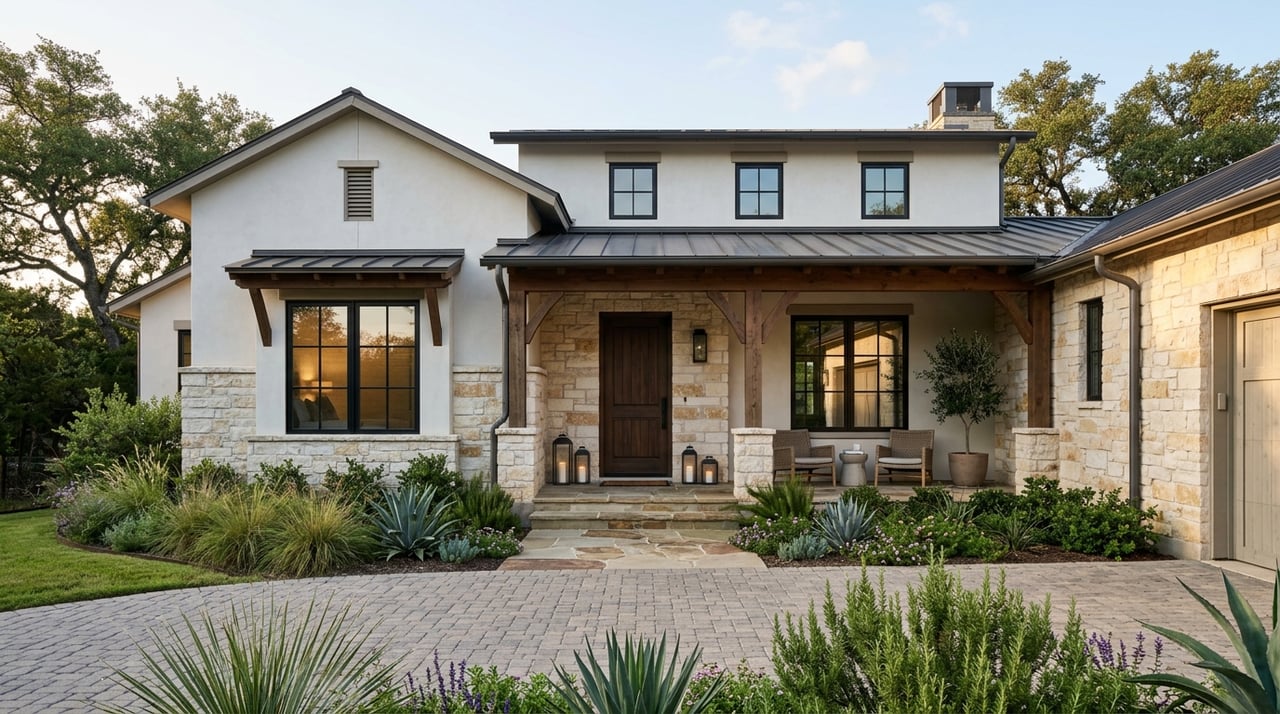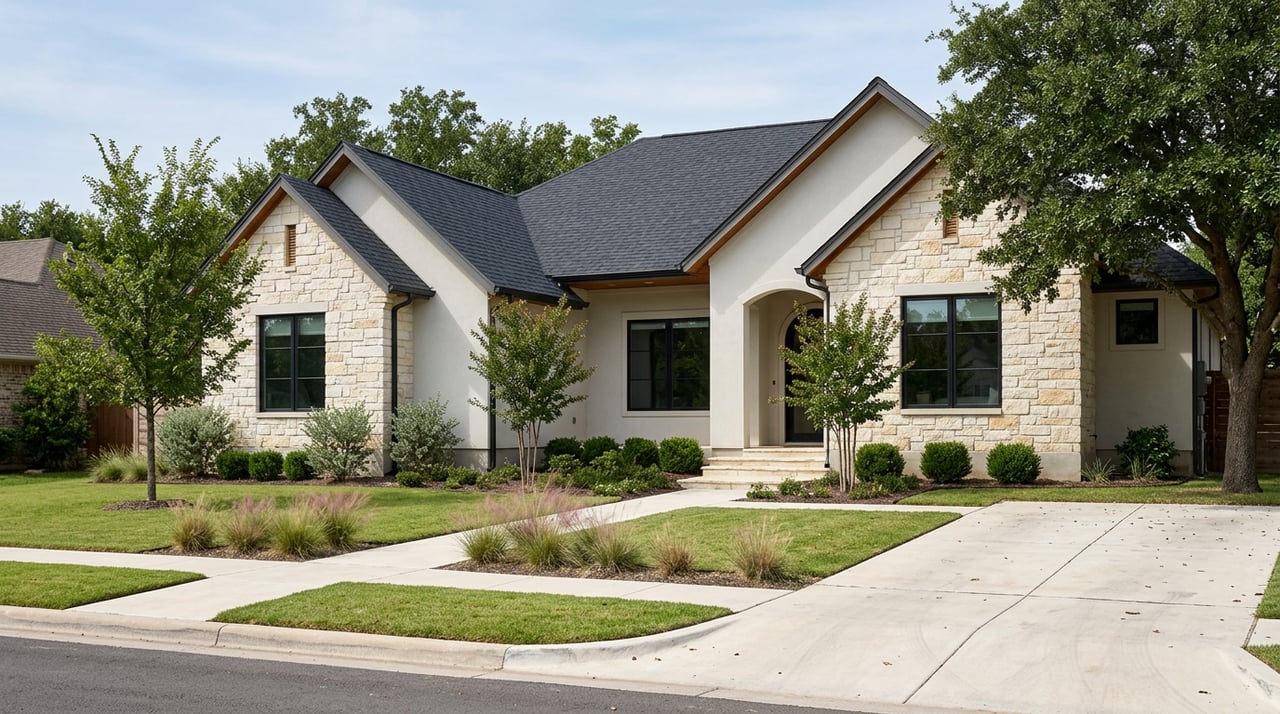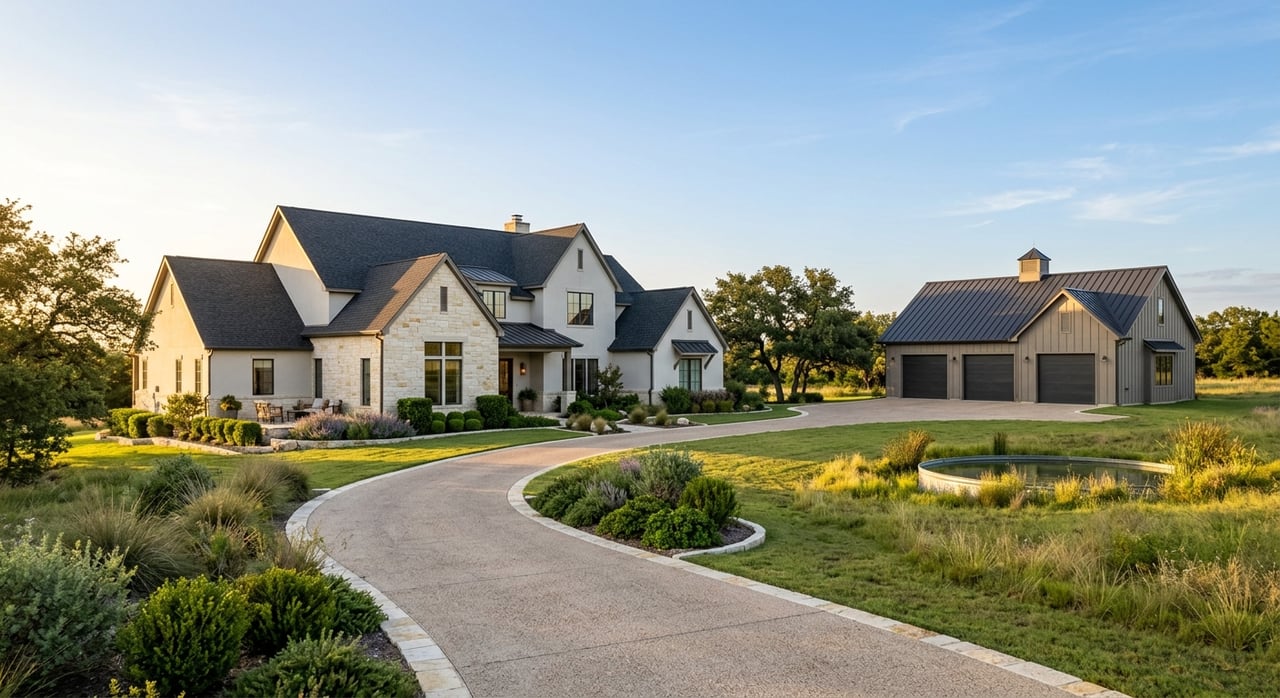
If you are drawn to Whitesboro, one of the first big questions is simple: do you want the ease of living in town or the extra room that comes with acreage? In this part of Grayson County, that choice matters because neighborhood homes, edge-of-town properties, and true rural tracts can all sit within a short drive of each other. Understanding how those options differ can help you narrow your search, compare costs more clearly, and find a property that fits the way you actually want to live. Let’s dive in.
Why Whitesboro offers both options
Whitesboro has a compact, town-centered feel, but it also sits in a setting where agricultural land remains a major part of the landscape. According to the City of Whitesboro community planning overview, the city’s long-range planning effort covers housing, land use, transportation, economic development, parks, and infrastructure over the next 20 years.
That planning context helps explain why you can find several living styles in one market. Inside city limits, single-family residential and agricultural uses both have meaningful footprints, while agriculture is dominant in the ETJ. In practical terms, that means you can look at a home near town services one day and a more open, land-focused property the next.
Whitesboro also remains relatively small. The Census Reporter profile for Whitesboro shows about 4,173 residents, 1,692 housing units, 1,627 households, and a 62.3% owner-occupancy rate. For buyers, that often shifts the conversation toward lot size, utility setup, and access to town rather than toward large planned-community amenities.
What in-town living looks like
If convenience is your top priority, in-town Whitesboro may be the best fit. Recent market examples in the research show that homes inside town are often on smaller lots, commonly under half an acre, with conventional detached single-family homes typically ranging from about 800 to 2,200 square feet.
That setup creates a more predictable ownership experience. The city’s zoning information outlines residential categories and notes that Whitesboro manages water, wastewater, electric, and garbage service. For many buyers, that means fewer moving parts when compared with a rural property that may rely on separate systems.
The utility process is also more standardized in town. The city notes that new utility accounts require a closing disclosure or lease agreement, which gives buyers a clearer framework for getting services turned on and managing move-in details.
Benefits of neighborhood homes
Neighborhood living in Whitesboro tends to work well if you want daily errands, school trips, and home maintenance to feel straightforward. Smaller lots often mean less mowing, less fence upkeep, and fewer large-scale property systems to manage.
In-town living can also simplify your routine if regular access to local services matters. The Whitesboro ISD website shows that J.W. Dub Hayes Primary, Whitesboro Intermediate, Whitesboro Middle, and Whitesboro High School are all located in town. For buyers who want shorter school runs or easier access to town amenities, that can be a meaningful advantage.
What edge-of-town acreage offers
If you want more breathing room without taking on the demands of a full ranch, the middle ground around Whitesboro is worth a close look. The research shows a strong one-to-five-acre segment, with examples that include conventional homes paired with space for a shop, extra parking, pasture area, or outdoor recreation.
This category often appeals to buyers who want privacy and usable land while staying connected to town. Many current examples in the research include features such as barns, ponds, co-op water, septic systems, horse allowances, or no HOA. That mix points to a lifestyle with more flexibility, but also more hands-on property care.
The trade-off: space versus simplicity
The biggest draw of small acreage is room to spread out. You may have space for hobbies, equipment, trailers, animals where permitted, or future improvements that would not make sense on a smaller in-town lot.
At the same time, more land usually means more responsibility. You may need to evaluate fencing, drainage, mowing needs, driveway maintenance, utility access, septic condition, and the overall usability of the land instead of focusing only on the house itself.
Utility costs can affect the decision
Monthly operating costs can also shift the value equation. According to the city’s water and sewer rate schedule, the water base rate for the first 2,000 gallons is $27.80 inside city limits and $41.82 outside city limits, while sewer base rates are the same inside and outside the city.
That does not mean acreage is the wrong choice. It simply means your decision should include more than purchase price and lot size. If you are comparing a home in town with one just outside town, it is smart to weigh both your day-to-day lifestyle and your ongoing monthly costs.
When a hobby farm makes sense
For some buyers, acreage is not just about extra elbow room. It is about a property that can support horses, animals, agricultural use, or a more land-based lifestyle. In the Whitesboro area, that segment is real and active.
The research notes that LandSearch hobby farm listings near Whitesboro show 51 hobby farms, with an average listing price of $1,009,173, an average cost of $51,036 per acre, and an average property size of 19.2 acres. Current examples include properties with ponds, barns, tack rooms, arenas, pasture, guest quarters, and horse infrastructure.
This kind of property can be a great fit if the land itself is central to your goals. You may be looking for equestrian features, room for agricultural activity, or a setup that supports long-term outdoor use rather than just a larger homesite.
What to verify before buying agricultural land
If you are considering a hobby farm or equestrian property, due diligence becomes more detailed. House size still matters, but so do the systems and land history that affect how the property functions.
The Grayson CAD agricultural application packet explains that new 1-d-1 applications are generally due by April 30, typically require land-use history for the last 5 of the previous 7 years, and require supporting documents such as receipts or leases. The county also states that agricultural land is appraised based on its capacity to produce agricultural products.
The same county guidance notes that wildlife management requires a 12.5-acre minimum and that the land must already be receiving agricultural valuation. For buyers, that means it is important to verify whether a tract already qualifies, whether the use history supports continued valuation, and whether the fencing, water access, outbuildings, and layout fit your intended use.
How to choose the right fit
The best property in Whitesboro is not just the one with the nicest house. It is the one that matches your daily routine, maintenance comfort level, and long-term plans.
Here is a simple way to think about it:
- Choose in-town living if you want a more standard utility setup, easier access to town services, and a smaller lot to maintain.
- Choose small acreage if you want more privacy and outdoor flexibility without stepping fully into ranch-style ownership.
- Choose a hobby farm or equestrian property if animals, agricultural use, or land functionality are central to your purchase.
Each option can be the right move depending on your priorities. What matters most is looking beyond the listing photos and understanding how the property will feel to own month after month.
Local guidance matters in Whitesboro
Whitesboro gives you a rare mix of neighborhood homes, edge-of-town properties, and land-focused opportunities in one compact market. That is part of the appeal, but it also means your home search should be tailored to how you plan to live, not just where you want to live.
If you are weighing in-town convenience against acreage freedom, working with a local team can help you compare utility setup, land use, property function, and overall fit with more confidence. When you are ready to explore your options in Whitesboro, connect with Texas Life Real Estate LLC for hands-on guidance tailored to your goals.
FAQs
What is the difference between in-town and acreage living in Whitesboro?
- In-town living typically offers smaller lots, city-managed utilities, and easier access to town services, while acreage living usually offers more space, privacy, and land flexibility with more property upkeep.
Are utilities different for acreage properties near Whitesboro?
- Yes. The research shows Whitesboro water base rates are lower inside city limits than outside city limits, and some acreage properties may also involve systems such as septic or co-op water.
What lot sizes are common for neighborhood homes in Whitesboro?
- Current examples in the research show many in-town homes on smaller lots, often under half an acre, including several lots under 10,000 square feet.
What should buyers check before purchasing a hobby farm near Whitesboro?
- Buyers should verify agricultural-use history, possible open-space appraisal status, water sources, fencing, outbuildings, and whether the layout supports their intended use.
Are Whitesboro ISD campuses located in town?
- Yes. According to Whitesboro ISD, J.W. Dub Hayes Primary, Whitesboro Intermediate, Whitesboro Middle, and Whitesboro High School are all located in town.