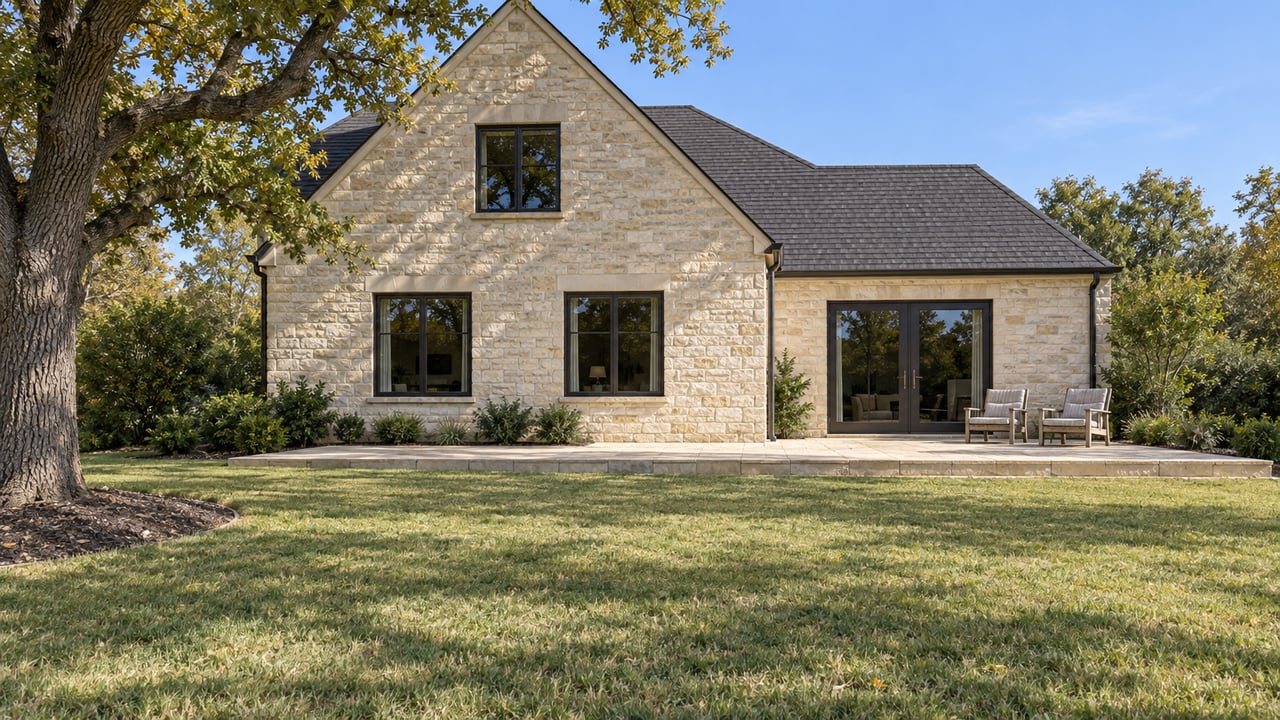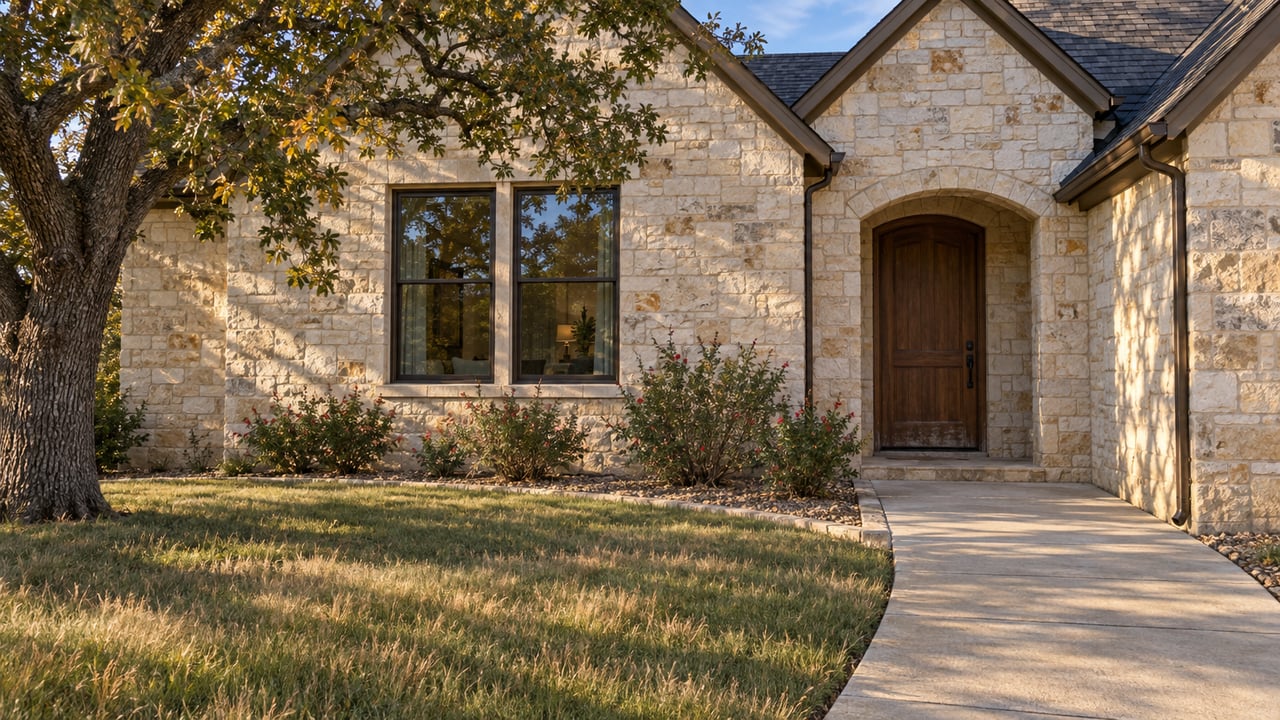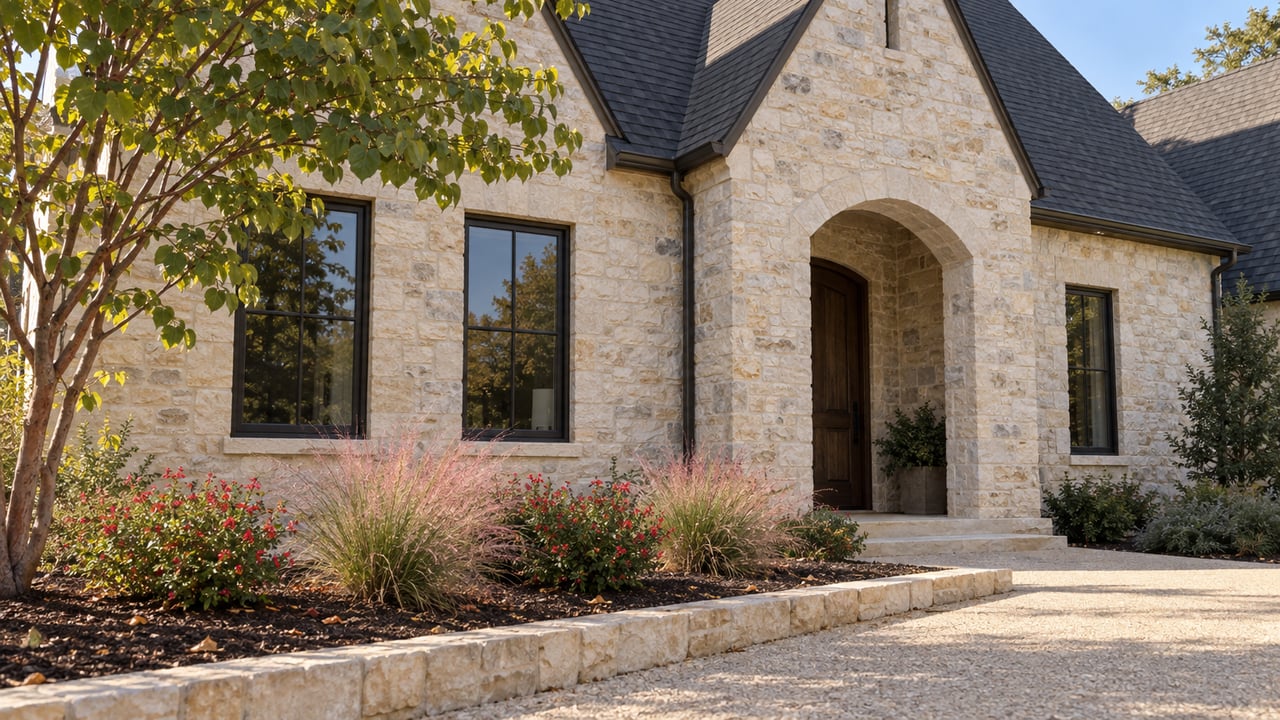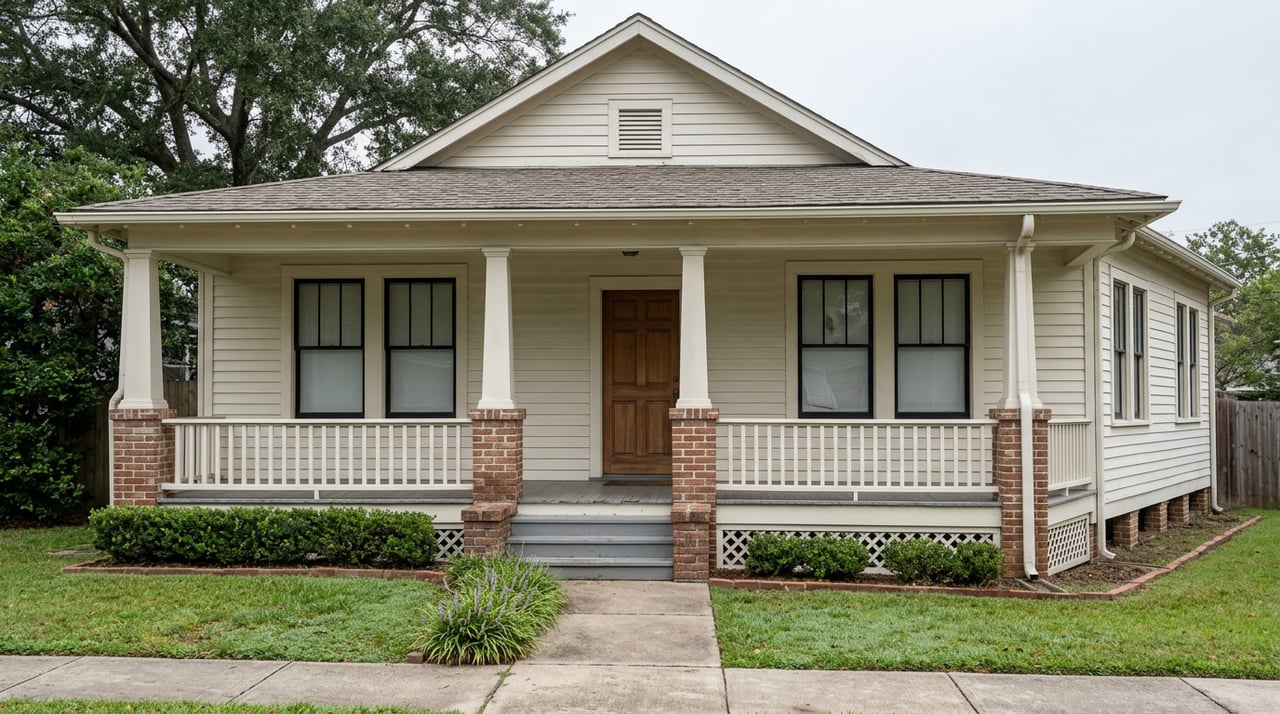
Six hundred West Munson Street went on the market this month at $91 a square foot. It is a 2,745-square-foot, six-bedroom house built in 1900, sitting on the corner of Munson and Mirick, sold as-is, with a new roof from 2025 and a foundation listed simply as "PillarPostPier." Translation: it is a pier-and-beam house, one of the last common examples of a construction method that used to be the default in this part of Grayson County and now shows up almost exclusively in homes built before the middle of the last century.
If you are looking at a house like this one, or any of the Victorians, Craftsman bungalows, and early-1900s cottages scattered through Denison's older blocks, you have probably already read a version of this article. It told you pier-and-beam foundations are common in older Texas homes, that clay soil is the culprit, and that repairs can run anywhere from a few hundred dollars to tens of thousands. All true. None of it tells you what actually determines your timeline and your leverage if you're making an offer on one of these houses right now, in August, with fall coming.
What you're actually standing on
A pier-and-beam foundation lifts the house above a crawl space using a grid of concrete or wood piers that support horizontal beams, which in turn carry the floor joists. It is not a defect. It was, for decades, the standard way to build in soil that would crack a slab. The tradeoff is that the crawl space beneath the house is exposed to ground moisture, temperature swings, and pests in a way a slab foundation never is, and the wood components inside it age accordingly.
The city's own building permit filings this year tell you where the newer construction is happening and how it's built. Recent monthly permit reports from the City of Denison show new single-family homes going up on Southbend Drive and Westhaven Circle from Highland Homes, part of the wave of slab-built subdivisions on the city's edges. The pier-and-beam stock is concentrated in the older core, closer to Main Street, where 600 W Munson sits. That split matters for how you shop: a fixer-upper near downtown and a new build in a Southbend Drive subdivision are not just different price points. They're different foundation systems with different maintenance rhythms.
The soil is the real story, and it isn't news
North Texas sits on expansive clay, the kind that swells when it's wet and shrinks and pulls away when it's dry. That cycle is why foundation movement here is closer to routine maintenance than emergency, and it affects pier-and-beam and slab homes alike, just differently. For a pier-and-beam house, that means individual piers can settle or lean as the soil beneath them contracts, which shows up as sloping floors, sticking doors, or gaps where trim used to meet flush.
Here's the part that's easy to miss if you're reading a national guide: this movement isn't spread evenly across the year. Regional foundation contractors serving the Dallas-Fort Worth area point to September through November as the peak season for foundation problems, because that's when rapid swings in soil moisture do the most damage. You are reading this in late August. If you're under contract on an older Denison home right now, your option period is going to run straight into the exact stretch of the calendar when a marginal pier is most likely to show its hand. That's not a reason to walk away. It's a reason to get the crawl space looked at now rather than assuming symptoms would have shown up already.
What the repair actually costs, and why the "average" is the wrong number
The scope of the problem, not the age of the house, drives the bill. A useful way to think about it:
| Scope of work | What it involves | Typical cost range (Texas, 2026) |
|---|---|---|
| Reshimming | Adding or replacing shims between an existing pier and beam to close a small gap | $1,000–$4,000 |
| Single pier or beam replacement | Swapping a rotted joist, cracked pier, or failed beam | $350–$1,200 per component |
| Full releveling | Multiple new piers plus beam work across a larger affected area | $5,500–$15,000 |
Statewide, one pricing guide updated in May 2026 put the average Texas pier-and-beam repair between $4,500 and $9,500, with complex jobs running past $25,000 in rare cases. But averages hide more than they reveal here. One large Dallas-Fort Worth foundation contractor reported a 2025 average completed repair price near $5,285. A different major contractor's published 2026 Dallas average was $11,117. Neither number is wrong. They're counting different jobs, different crawl-space access conditions, and different definitions of "completed." The lesson isn't to pick the cheaper headline figure. It's that a quote is only meaningful once someone has actually been under your specific house.
For a buyer, the figures are a starting point for budgeting, not a substitute for a written scope that explains what needs repair and what can wait.
The clock nobody puts in the inspection report
Here's the friction that generic guides don't cover, because it's specific to this town. Denison's downtown core, roughly the stretch from the 700 block of West Main to the 300 block of East Main, bounded by Gandy and Crawford streets, sits inside the city's Commercial Historic Overlay District. If a home you're buying falls inside that boundary, any exterior work, including foundation-related work that's visible from the street such as skirting, crawl space vents, or entry stairs, requires a Certificate of Appropriateness from the Historic Preservation Board before a contractor can start. The city's own guidance is explicit that this approval has to happen before work begins, not after.
Most foundation work happens underneath the house, out of public view. But if your inspection turns up a rotted stair stringer or failing skirting on a home inside the overlay boundary, you are not looking at a same-week fix. You're looking at an application to the Historic Preservation Board, a review against the city's design guidelines, and a timeline that doesn't move at the speed of a typical repair estimate. If you're negotiating a repair credit instead of asking the seller to complete the work before closing, that's the scenario where the difference actually shows up.
What to do before you waive your option period
- Ask for a crawl space walkthrough, not just a visual inspection. A general home inspection covers the visible parts of the structure. Pier condition, beam rot, and standing water often require someone to physically go underneath the house.
- Ask the seller directly whether any prior foundation work has permits on file. A repair with a permit and an engineer's report is a very different signal than an unpermitted DIY shim job.
- Check whether the address sits inside the Commercial Historic Overlay District before you assume a fix is a quick one. The city's Historic Preservation page lays out the boundary map and the certificate process.
- Get at least one contractor's eyes on the crawl space during your option period, not after closing, especially given that you're heading into the September-through-November stretch when North Texas foundations move the most.
- Price the specific repair, not the category. A single-pier reshim and a full releveling both fall under "pier-and-beam repair," and the gap between them is a five-figure swing.
A few questions worth asking directly
Is pier-and-beam construction still used in new Denison homes? No. Current building permit activity in the city shows new single-family construction going up on a slab, consistent with the broader shift away from pier-and-beam in new North Texas builds decades ago. Pier-and-beam here is almost entirely a feature of the older housing stock.
Does every historic-looking home in Denison require Historic Preservation Board approval for repairs? No. The requirement applies specifically to properties inside the mapped Commercial Historic Overlay District, roughly the downtown Main Street corridor. A pier-and-beam home outside that boundary does not need a Certificate of Appropriateness for exterior repairs.
Should a soft foundation report change my offer, or just my timeline? Usually your timeline and your ask, not your decision to move forward. Given how localized and repairable most pier-and-beam issues are, a documented crawl space problem is more often a negotiating point for a price adjustment or repair credit than a reason to walk from a house you otherwise want.
If you're weighing an older Denison home against a newer build on the edge of town, or you just want someone who can tell you what's actually inside a specific crawl space before your option period runs out, Texas Life Real Estate can help you make that call with eyes open. Request Your Free Home Valuation and let's talk through what a specific address actually needs before you write the offer.
This article is general information, not legal, tax or financial advice. Consult a qualified professional about your situation.